Serious Games
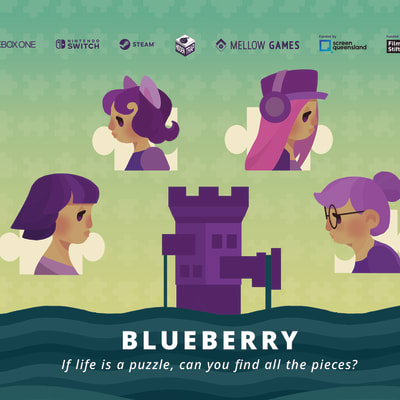
Blueberry
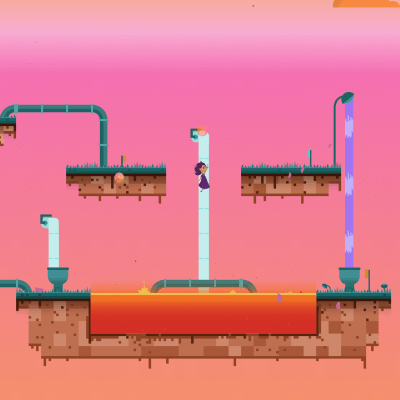
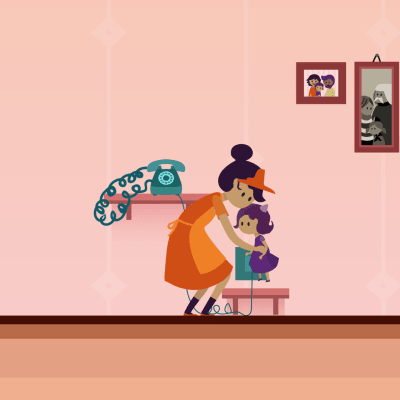
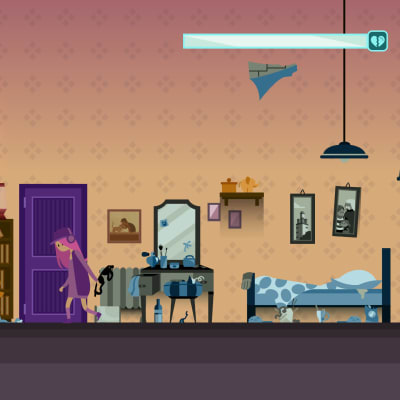
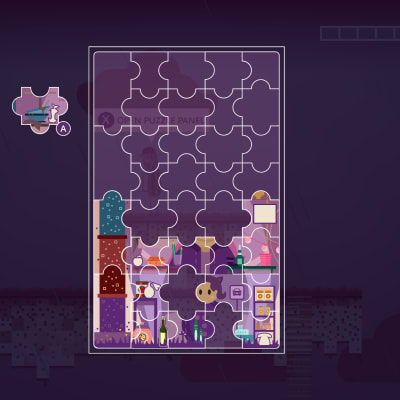
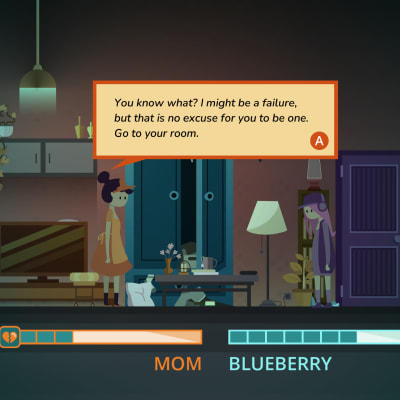
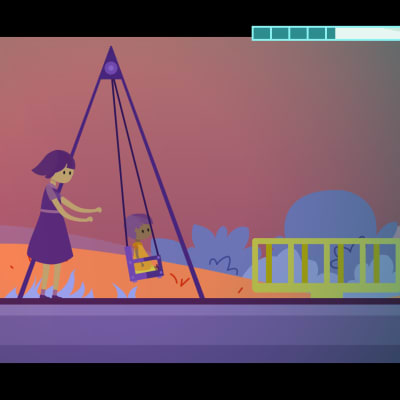
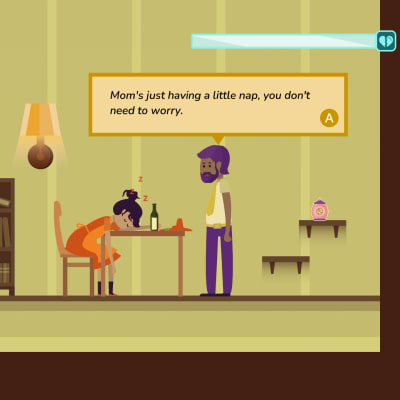
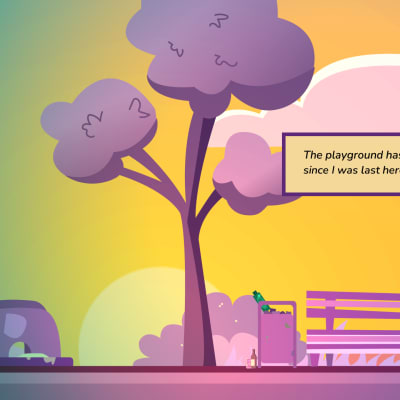
Blueberry is a story-driven puzzle platformer that takes you deep into a woman’s mind as she faces her trauma. Ascend her Tower of Life, relive her key memories, and collect pieces of her fragmented self to unlock the mysteries of her past.
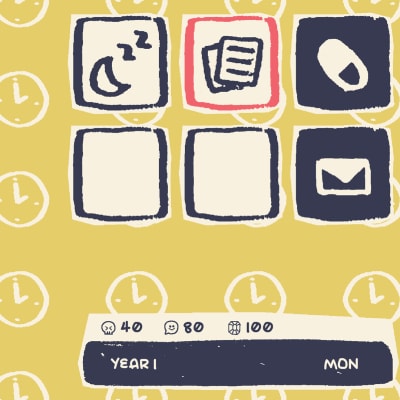
You’re Just Imagining It
You’re Just Imagining It (often stylized in lowercase) is a short (~30 min), free-to-play simulation that immerses players in the challenges of living with an undiagnosed chronic illness. Developed by the indie creator npckc in 2024, the game was inspired by the developer’s own diagnosis of a chronic health condition (you’re just imagining it on Steam, 2024). Acknowledging the creator’s caution that “this game is not meant to be medical advice” and “it’s also not very fun,” the game is designed not for leisure but as an experiential learning tool and personal expression (npckc, 2024). The game has minimalistic art and narrative, and its thematic focus is on the frustration, fatigue, and uncertainty faced by chronically ill patients who are seeking validation and treatment. The educational objective is to foster empathy and awareness of these struggles among players by allowing them to walk in the shoes of someone with an invisible illness. The target group thus ranges from those in health-related fields (who can use the game to better understand patient perspectives) to anyone interested in narrative-driven empathy games.

uMed: Your Choice
"uMed: Your Choice" is a serious moral game developed in cooperation with the Institute for Biomedical Ethics and History of Medicine and the UZH Digital Society Initiative Zurich (Christen et al., 2021). Players follow the story in the role of young medical assistants and make decisions regarding the well-being of patients and interactions with them, staff and relatives. The main focus is to improve moral sensitivity, integrity and professional decision-making. It was developed for medical students in clinical ethics courses and serves as a complementary educational tool. Its dialog-based gameplay allows participants to make decisions, explore different outcomes (Eichinger et al., 2022). "uMed" emphasizes self-study combined with reflective group discussions, aligning with the ethos of serious games to foster engagement and applied learning (Christen et al., 2021). Therefore, it combines content on medical ethics (educational) with game features like rules/goals, fantasy, challenge, sensory stimuli, and player autonomy. With feedback and reflection, the game fosters sustained motivation and ethical reasoning (Eichinger et al., 2022; Caserman et al., 2020).
VitaQuiz
Learning health literacy in a playful way
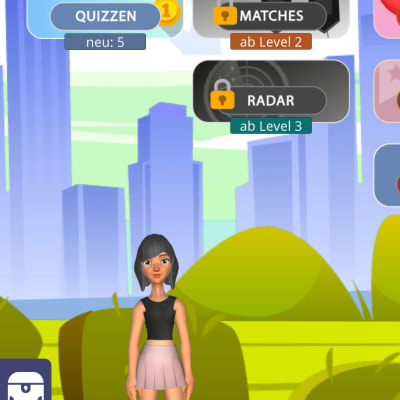
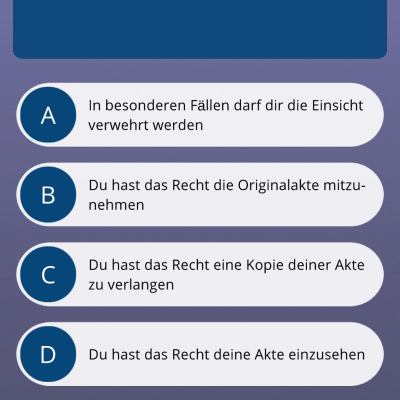
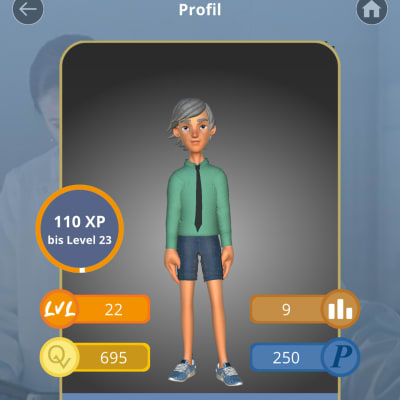
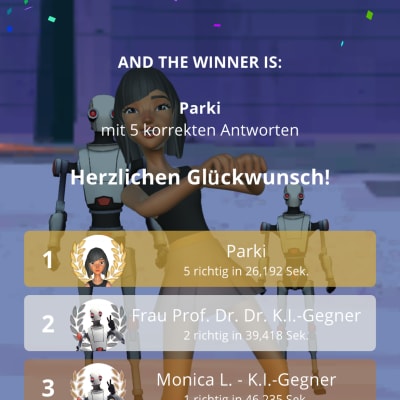
Take a health quiz and measure your knowledge! VitaQuiz currently offers you more than 1,500 health-related questions (health, nutrition, patient rights, medication, emergencies, prevention, basic knowledge) and is updated daily. You can measure your knowledge against others in matches, use the radar to visit health-related facilities (doctors, pharmacies, clinics) in the real world and play extra questions and use the scanner to obtain additional knowledge about each medication or scan new knowledge modules. And with the VitaQuiz currency Quizzel, which you earn, you can upgrade your 3D avatar in the shop or get jokers and new quiz packs (including non-medical ones!). VitaQuiz can be played in between (e.g. during waiting times) and noticeably and measurably improves your health knowledge. And the longer you use it, the more competent you become.

Silver Lifetime
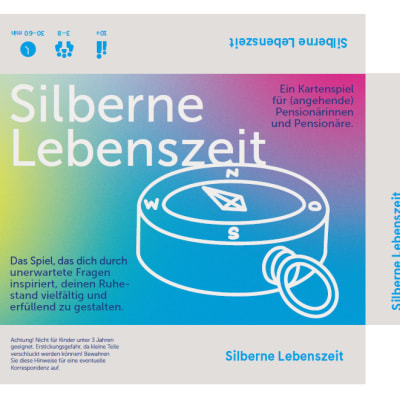
The game that inspires you with cheeky questions to make your retirement fulfilling.
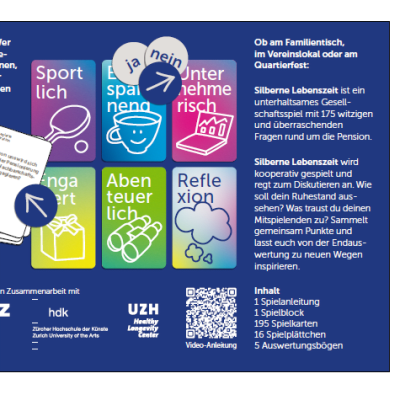
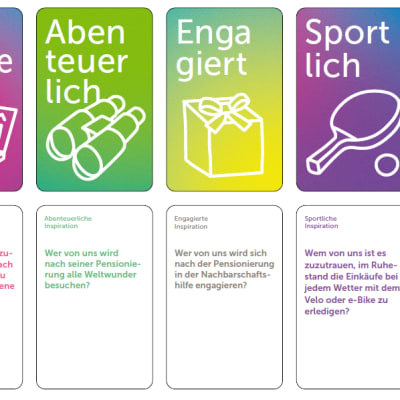
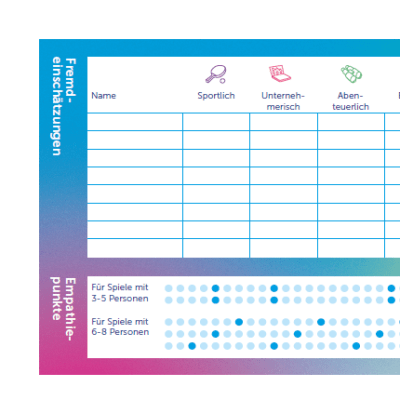
Who among us can will start his/her own company after retirement, help children with their homework or fall off a camel in the Sahara desert? Whether at the family table, in a sports club or at a neighbourhood festival: Silver Lifetime is an inspiring and entertaining game with 175 funny and surprising questions about ideas and opportunities after retirement. In a game round of 2-8 players, the questions are read aloud, categorized into adventurous, entrepreneurial, committed, relaxing and active inspiration. Then all players carry out a self-assessment with a YES/NO-platelet and point with their arrow-platelet to the person to whom they think the question applies best (third-party assessment). With a correct assessment (arrow points to YES), an empathy point is collected for the group. After the empathy points have been awarded, the group discusses how the players have come to their respective assessments, and arrows may also be redirected to the input of the players. If everyone is satisfied with their ranking, each player notes as many strokes in the activity profile of the active question as arrows pointed at him/her. At the end of the game, each player is evaluated for their individual activity profile with tips and recommendations for further inspiration. In addition to the 125 inspirational questions, there are also 50 reflection-cards. Reflection questions only involve a self-assessment. They contain reflective questions about health, sleep, nutrition, fitness, friends, attitude to life and mindfulness (characteristics from the Blue Zones, i.e. regions of the world where people age healthily and have a high life expectancy). Goal of the reflexion-cards is to encourage self-reflection and invite people to exchange thoughts, fears and views.
Sphery Racer
[ExerCube]
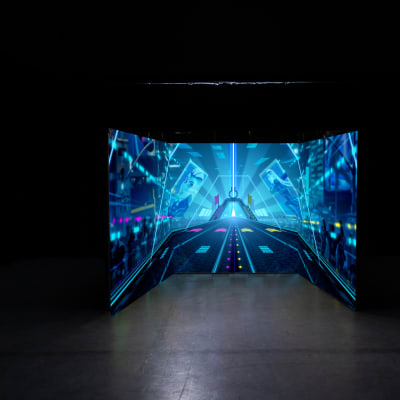
The Sphery Racer is controlled with holistic functional training movements with scalable intensity (moderate to HIIT). Functional training is known for its overall training effects to increase endurance, strength and coordination. The additional cognitive challenge provided to the player through various audio-visual stimuli makes Sphery Racer a holistic body and brain workout. STORY TRAINING PLAN Enter cyberspace as a bit-runner and battle your way through 15 varied training missions. Hack deep into the system core and collect all the data that crosses your path while raising your fitness level to new heights. But beware, a crazy A.I. is rampaging through cyberspace and has it in for you.
Kibalou
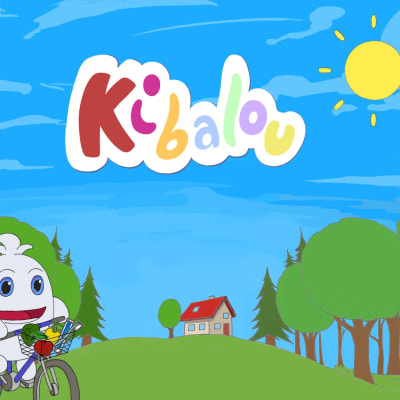
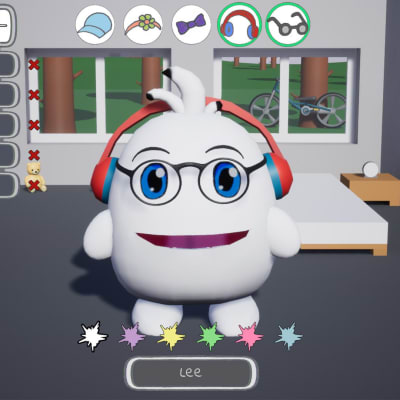
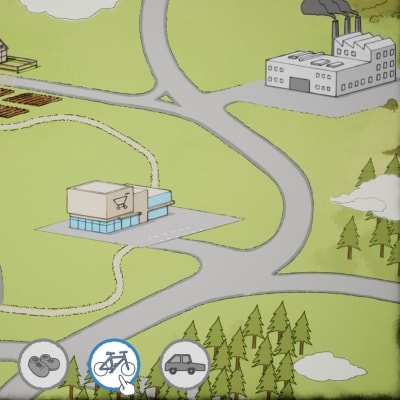
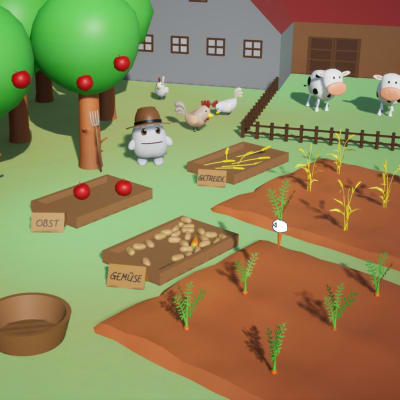
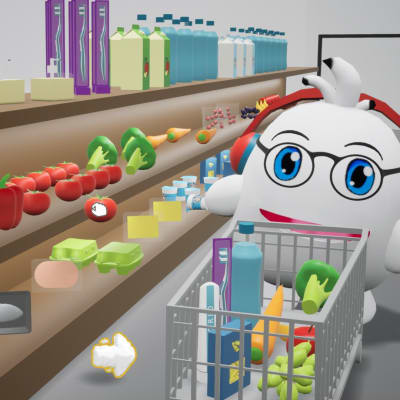
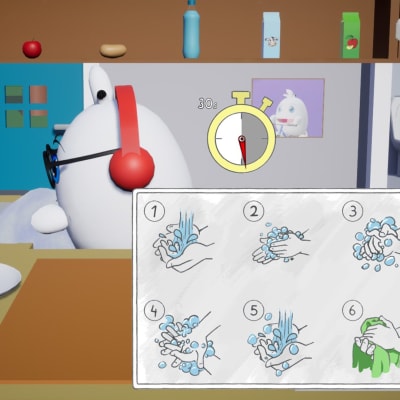
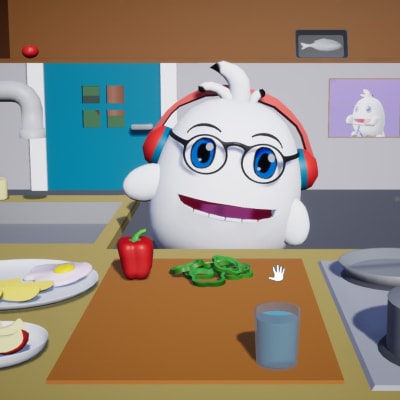
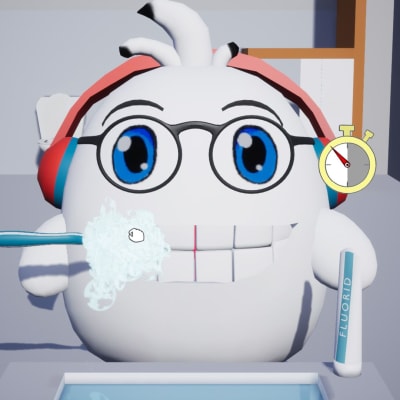
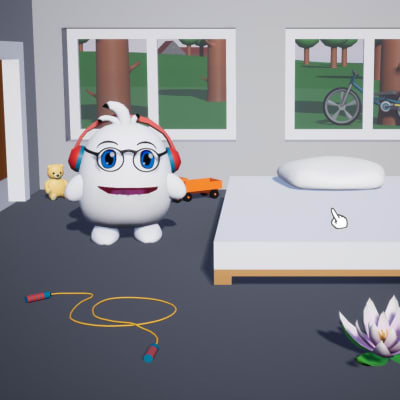
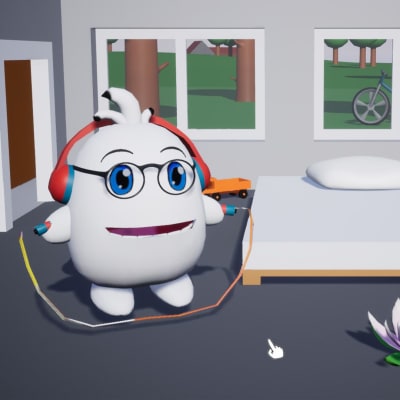
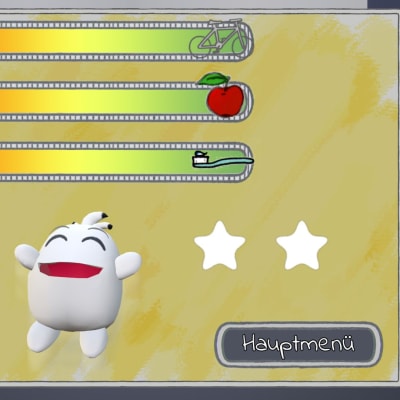
Kibalou is a learning adventure for children aged five to seven, in which players are encouraged to adopt a health-conscious lifestyle. In the game, learning content on the topics of nutrition, food chains, hygiene and exercise is taught in a playful way. The game is named after the main character, an avatar whose color, accessories and name can be modified as desired at the beginning of the game. During the game, which represents a day from the avatar's life, players can choose to behave in a healthy way, but also in an unhealthy way. Whenever a healthy decision is made that is good for the avatar, players earn a star. With each star gained, players advance in the categories of nutrition, hygiene or exercise. The progress of the game is always displayed to the players and evaluated at the end of the game. On the game map, players find three places: the farm, the supermarket and their home. Players walk or drive to the places by selecting them on the map. It is healthier to go on foot or to take the bike instead of the car. At the farm, players can help the farmer plant vegetables and harvest his crops. In the process, players also learn how the food is further processed and eventually gets to the supermarket. In the supermarket, players can buy all kinds of food and some hygiene items. Healthy purchases are rewarded. Once home, the groceries can be whipped up into a delicious meal: Food can be unpacked or cut on the countertop and prepared in the pot or pan. Then the food can be arranged on plates and eaten. Those who eat healthy food will receive stars. If players also wash their hands and clean their fruits and vegetables before eating, they get more stars. After eating, players go to the bathroom to brush their teeth. To do this, toothpaste is put on the toothbrush and then the teeth are brushed until the dirt visible on the teeth has disappeared. The players are instructed with arrows on how to brush. However, to be on the safe side, parents also brush again. In the bedroom, the players can exercise so they get really tired. To do this, they can jump rope or do child-friendly yoga exercises, which gives stars once again. Afterwards, the players go to bed and can view their daily feedback.
Enlightened
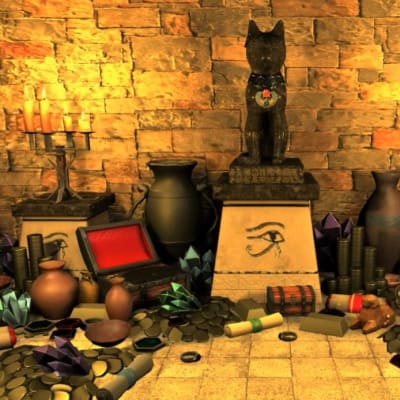
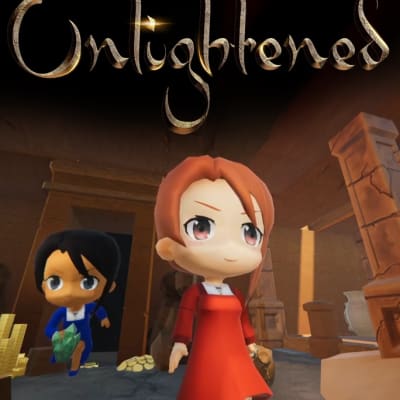
Enlightened is both a neurogame and a serious game, and our first prototype for testing a technologically simple setup for children and adolescents with attention and concentration difficulties. The application is designed to teach players to consciously regulate their focus and maintain attention over extended periods. To achieve this, users’ concentration levels are integrated into the game using an EEG. Gamma waves, which are associated with perceptual and cognitive activity, serve as a reliable indicator of players’ attention and concentration levels. To keep access simple, we avoided complex EEG devices and use the 5-channel MUSE EEG for measurements. In the digital game, two players guide their characters through different levels of a pyramid with the goal of finding the Pharaoh’s valuable treasure. Each level consists of a dark maze, but the players have a special light source powered by their concentration. The more focused the players are, the further their light reaches, allowing them to navigate the maze more effectively. Within each level, players must find a set number of stone tablets in the maze and memorize the symbols displayed on them. They then need to work together to input the correct symbols at a trapdoor to progress to the next level. This requires collaboration, communication, and mutual support. Through Enlightened, the target group learns about the cause-and-effect relationship of mindfulness and concentration. At the same time, non-affected players gain awareness of the challenges related to attention difficulties. A digital mentor provides supplementary knowledge, and players receive feedback based on their actions. Additionally, players with concentration difficulties are supported through adaptive game mechanics, meaning the game adjusts to each player’s skill level. The game difficulty is therefore determined by individual daily performance and progress, ensuring an optimal balance between challenge and player ability—a crucial facto


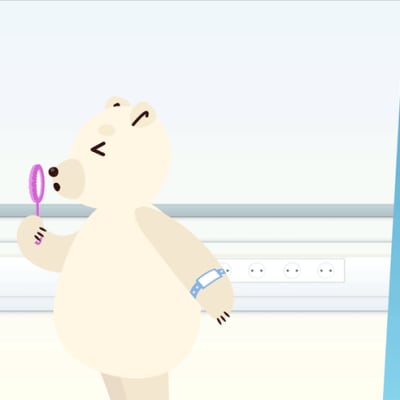
Mit Følgedyr
Mit Følgedyr’s goal is to teach children the need for medical examination performed on them while also offering the children a comforting tool. The children learn about the used technology in order to reduce stress and anxiety. To achieve this, the patient meets Theo and Thea, who are present during the medical examination. The player has to do different tasks, which should help them to understand their situation and to deal with it.
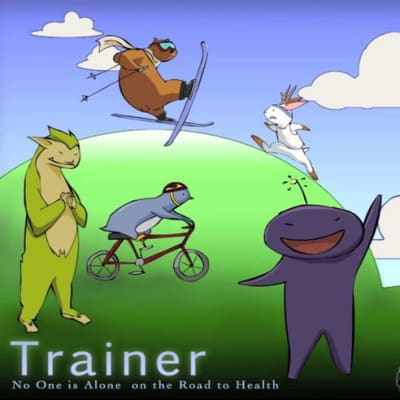
Trainer
No one is alone to the road to Health!
A game inspired by Pokémon (Gameboy, Nintendo), Trainer gives Players the responsibility of caring for creatures who all have dietary and fitness needs. Unique to any other title currently on the market, the Player actually trains with the creatures. When one of the creature exercises, so does the Player! Both benefiting by this shared activity.


Re-Mission2
The Game 'Re-Mission2' is a tower defense game. The goal is, to fight monsters like "Lymphomia Warrior", "LeukeMutant" and "LeukmAccelerator" which are under the influence of "Nuclear Tyrant". As in the previous game "Re-Mission" too, the user plays the role of a nanobot. He/She has many weapons to choose from like "ChemoBlast", "PredniSoldier" and "TumorShaker" to keep the monsters from taking over the body...

Re-Mission
In Re-Mission, the player controls an RX5-E ("Roxxi") nanobot who is designed to be injected into the human body and fight particular types of cancer and related infections such as non-Hodgkin's lymphoma and leukemia, at a cellular level. The player must also monitor patient health and report any symptoms back to Dr. West (the in-game doctor and project leader). Each of the 20 levels is designed to inform the patient on a variety of treatments, how they function, and the importance of maintaining strict adherence to those treatments. Various "weapons" are used, such as the Chemoblaster, Radiation Gun, and antibiotic rocket.
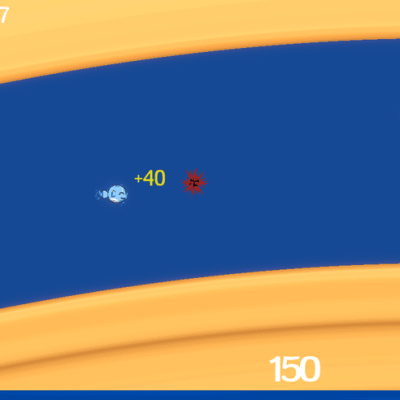
ExertyFish
ExertyFish is an Exergame for individualized and personalized endurance training that was developed based on scientific basics and research. The game ist played using a bike ergometer as input device. By varying cadence, the player controls a little fish on its way through a system of tunnels. The goal is to collect as many coins as possible without hitting the walls or mines. The heart rate of the player is continuously recorded during the game play using valid sensors. Depending on the training program, the load of the ergometer is adapted individually to the individual strain of the player. This enables an individually optimal endurance training based on approved training principles.
Dancicians
In classic, non-serious game terminology, Dance with ALFRED is a rhythm-action game, where the player is challenged to execute moves in accordance to the rhythm of music. Aspects that set it apart as a one-of-a-kind serious game are considerations about accessibility, target audience capabilities and social interaction in close proximity. Accessibility is enhanced by developing Dance with ALFRED specifically for smartphones, which is, in this day and age, in possession of most people in most Countries. Player movement is registered via the accelerometer of the smartphone. No further device is required to play; though, a wireless internet connection is necessary for multi-player. Considering the capabilities of seniors, the game offers three difficulty settings, with the easiest setting suitable even for persons with low agility and capacity of reaction. Furthermore, there are five different songs available to dance along to; each from a different genre, not only to satisfy different tastes, but also to offer various rhythm-tempos to make the desired challenge even more customizable. Dance with ALFRED is especially geared towards playing with a group in the same room. Each participant is responsible for the sound of an instrument or a set of instruments— very similar to a music band—and with a bit of practice, they perform synchronized moves that resemble a group dance, which could even be entertaining for non-participants in the room. Gameplay evolves during dance moves at the right times in order to sustain the sound of each of the instruments of a song. In this regard, Dance with ALFRED is not only about dancing, but also about provoking the feeling of making music. Possible moves are stepping left, right, up or down, as well as half and full rotations. The set of moves is limited intentionally to facilitate accessibility. Player interaction is cooperative in the sense of trying to accomplish a good group performance, and competitive by enabling individuals to compare their scores with each other.
Twostone
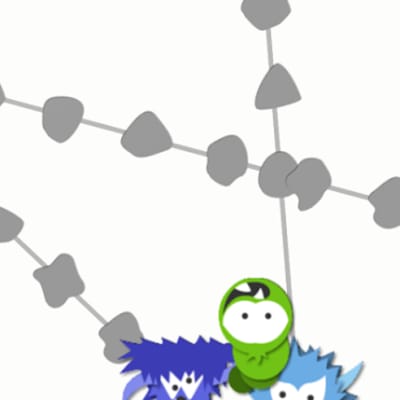
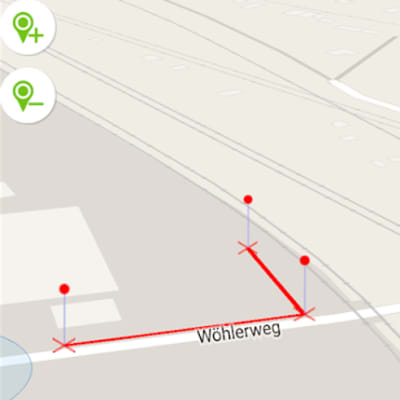
Twostone is an Android-based mobile exergame that can be played practically anywhere. Create your own levels for yourself and your friends, or download maps from the community online. Eat stones and avoid the monsters.
BalanceFit
Balance, coordination and strength training
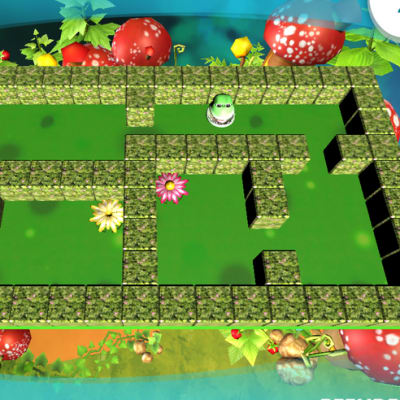
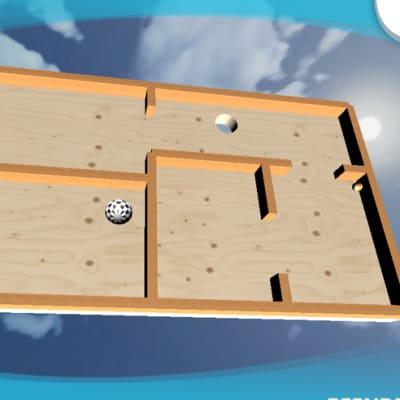
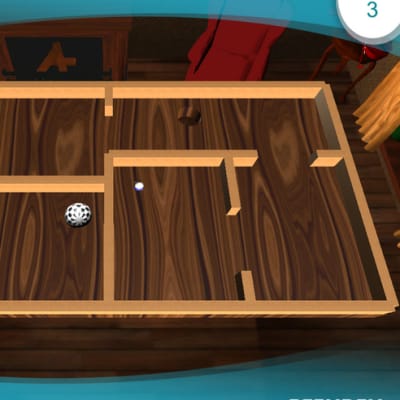
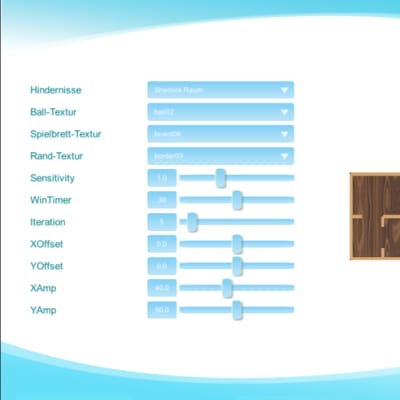
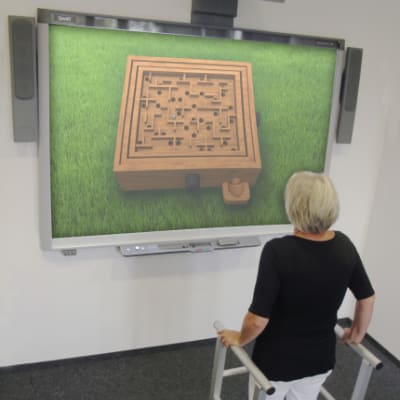
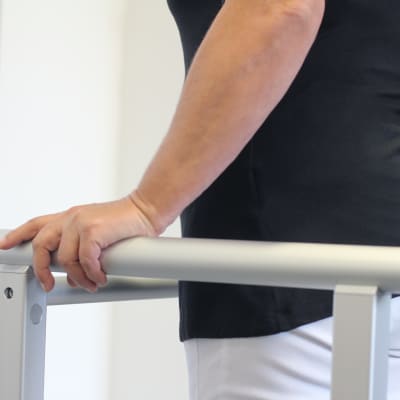
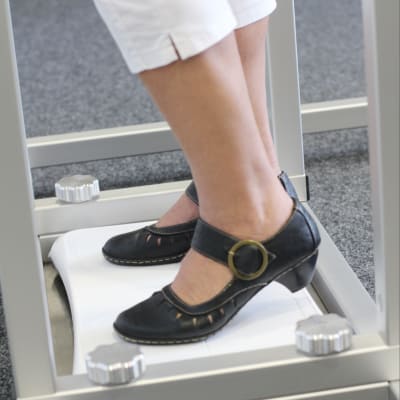
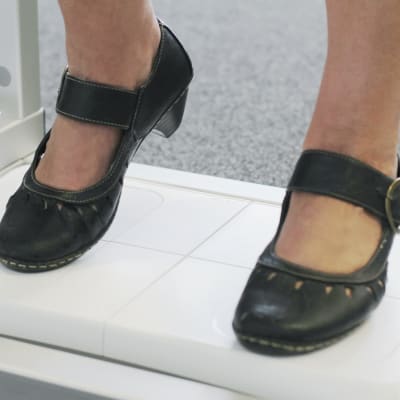
BalanceFit resembles classic wooden maze-and-ball-games. The goal of the exergame is to navigate a ball through a maze into a target. The maze is presented on a screen and the player steers the game by moving the center of pressure (COP) of his or her body intentionally. The maze consists of walls that facilitate the task and game features that increase the difficulty of the game, e.g., holes or monsters that eat the ball, or narrow passages that require greater accuracy when steering. As input control, a regular Nintendo Wii Balance Board is used, which has four pressure sensors, one at each of its edges, which allows measuring the weight distribution of the player standing on the board. Optionally, the balance board is integrated into a robust installation offering more stability for users with gait impairments or difficulties in standing. Based on the weight distribution the COP is calculated. If the player moves in a specific direction, the COP also moves in this direction. Accordingly, the virtual maze is rotated into the same direction and the virtual ball follows. Furthermore, BalanceFit provides a configuration tool (for individual players or therapists) that allows game adaptation of visual style and difficulty (defined by the layout of the labyrinth and the sensitivity of the controller). Automatic difficulty adjustment of the game is offered in customized versions of BalanceFit for dedicated user groups. In general, the system can be used by agile and fit users as well as by gait-impaired users (with a standing frame as hardware to provide stability), and even by wheelchair drivers.
ErgoActive
Personalized Exergames - Cardio
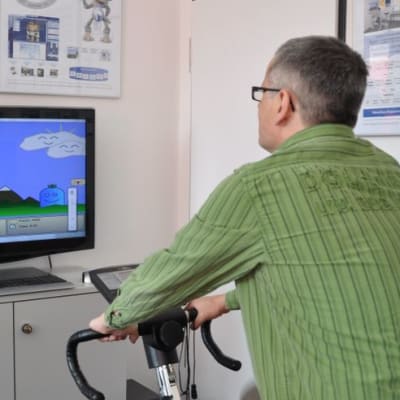
ErgoActive is a personalized movement games designed to improve player's endurance. The game is controlled via an ergometer, i.e. as the player either pedals faster or slower, the bird flies higher or lower. The physical strain on the player is recorded and the gameplay is adjusted accordingly in the event of over/under strain or the pedaling resistance is increased/decreased.